
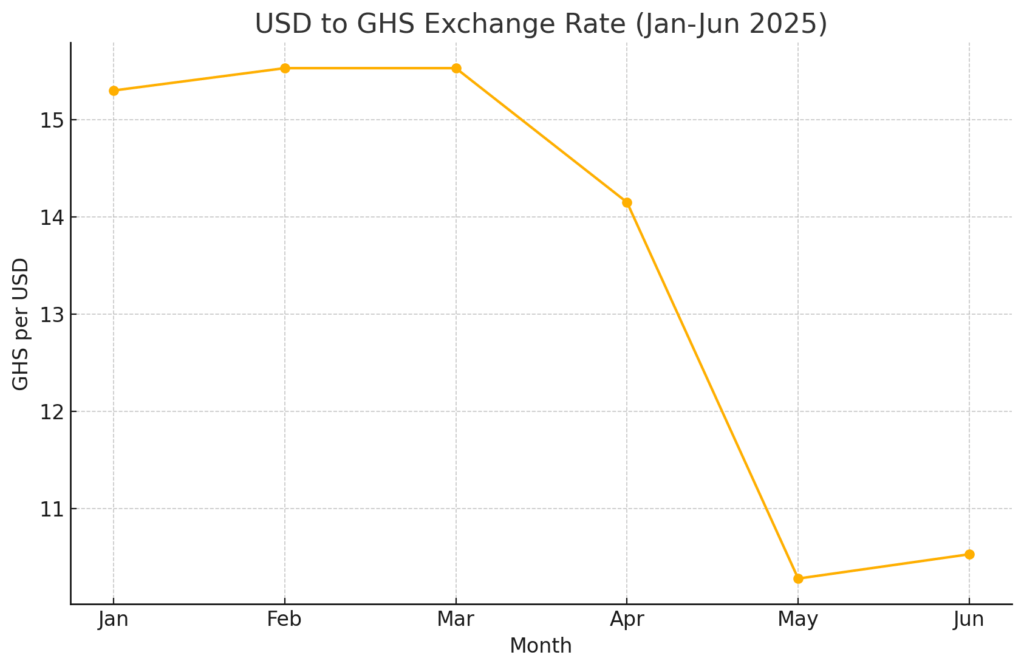
How Cedi and Gold Investments Connect
When the Ghana cedi strengthens against the US dollar, it can influence gold investments in several ways. First, a stronger cedi often lowers local gold prices in cedi terms. Consequently, Ghanaian investors may find gold more affordable. However, international investors might see shifts in their returns. Below, we explore these dynamics in detail.
Cedi Appreciation and Local Gold Prices
When the cedi gains value, gold prices quoted in cedi usually fall. For instance, if 1 USD used to equal 11 GHS and now equals 10 GHS, a dollar-priced ounce of gold becomes cheaper in cedi. Therefore, local buyers could purchase more gold with the same amount of cedi. In turn, this trend may boost domestic demand.
Impact on Ghanaian Investors
A stronger cedi also affects investor psychology. Since gold often serves as a hedge against currency risk, some Ghanaians might delay purchases, expecting even lower prices. Additionally, mining companies that sell gold in dollars will see their local revenue drop if they convert at a stronger cedi rate. Consequently, they may adjust production or export strategies.
Effects on International Investors
International investors, who typically buy gold with dollars or euros, might face different outcomes. If they convert their foreign currency into a stronger cedi, they receive fewer cedi per dollar. Thus, when local gold prices in cedi fall, these investors may pay less cedi per ounce. However, their net return in dollars depends on both currency and gold-price movements. Therefore, they must track both exchange rates and global gold trends to time investments effectively.
Broader Economic Implications
Furthermore, a stronger cedi can signal improved economic stability or increased foreign inflows. As a result, some investors might shift capital from gold into equities or government bonds, seeking higher yields. Conversely, if the cedi’s strength stems from short-term speculation, gold demand could rise again once the cedi weakens.
Strategies for Ghanaian Gold Investors
To navigate these shifts, Ghanaian investors should:
1. Monitor Exchange Rates: Regularly check USD/GHS trends to time gold purchases.
2. Watch Global Gold Prices: Follow benchmarks like LBMA to anticipate local price changes.
3. Diversify Portfolios: Balance gold with other assets (e.g., equities or bonds) to reduce risk.
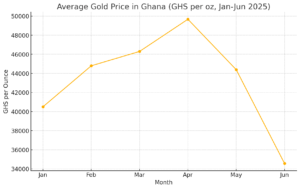
Chart showing Cedi vs. USD exchange rate over time and corresponding gold price in GHS
Explore Gold Price Trends at Koinonia Gold Refinery
Investopedia: How Currency Movements Affect Gold Prices
By understanding how the cedi and gold investments relate, local and international investors can make informed decisions. Consequently, they can optimize timing, maximize returns, and reduce currency-related risks.